With the growing importance of issues such as climate change, migration, environmental degradation, spatial epidemiology and inequalities, geography is one of the most relevant courses you could choose to study. The Geography department at Ferndown Upper School is committed to providing a high-quality geographical education to ensure our students are prepared for roles as active citizens in a rapidly changing world.
We aim to develop the following knowledge and skills through Geography at Ferndown Upper School:
Location – Spatial awareness of different countries’ locations and the locations of major physical and human features
Place – Similarities and differences between different areas
Biodiversity – Life exists in all environments, how life adapts to it and how we interact with those environments
Hazards – Physical and human hazards affect people in different ways in different locations.
Interdependence – How countries and areas are linked through the flow of goods, resources and ideas
Resource management – How to use our planet’s resources sustainably and equally
Sustainability – Using our planets resources without negatively affecting our planet or future generations
Analytical skills – Using mathematical and cartographic skills to describe, interpret and analyse our world
Meet the Geography Department
Mrs. C. Lock
Geography Teacher
Mrs. J. Taylor
Geography Teacher
Mr. P. Crossley
Geography Teacher
Curriculum Overview
Please rotate your device to landscape to view the Curriculum for years 9, 10 and 11.
Autumn 1
Autumn 2
Spring 1
Spring 2
Summer 1
Summer 2
Year 9
Year 10
Year 11
The United Kingdom
Natural Hazards
Global Challenges
Development
Geology and Glaciation
GCSE Coastal Landscapes
GCSE River Landscapes
GCSE Resource Management
GCSE Urban Issues
GCSE Urban Issues
GCSE Ecosystems
GCSE Ecosystems and Fieldwork
GCSE Natural Hazards
GCSE Natural Hazards
GCSE Economics and Development
GCSE Economics and Development
Revision
Revision
Extra-Curricular Opportunities & Enrichment
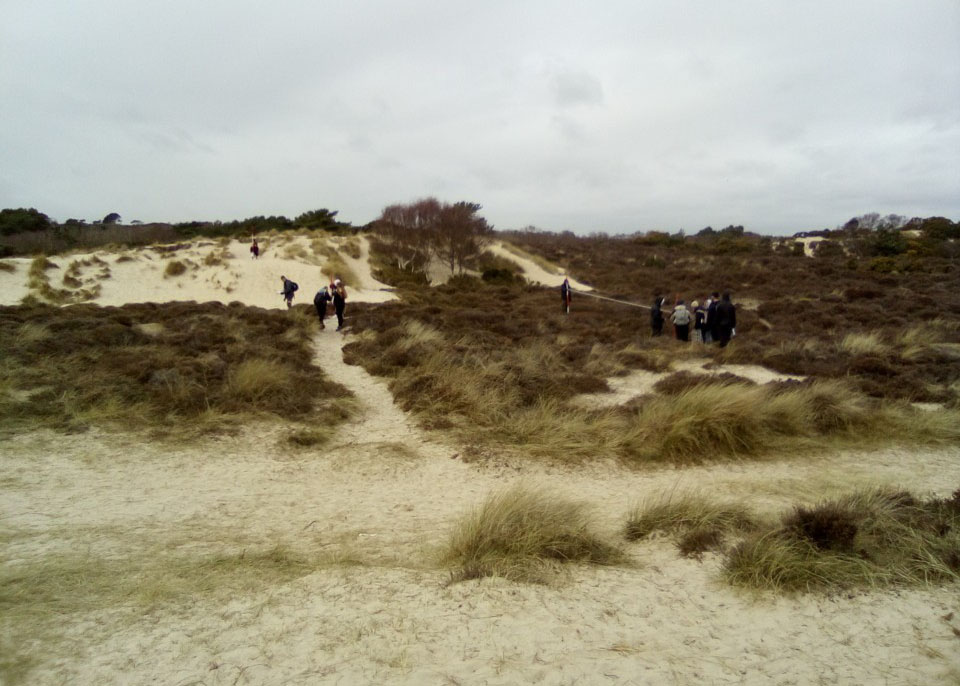
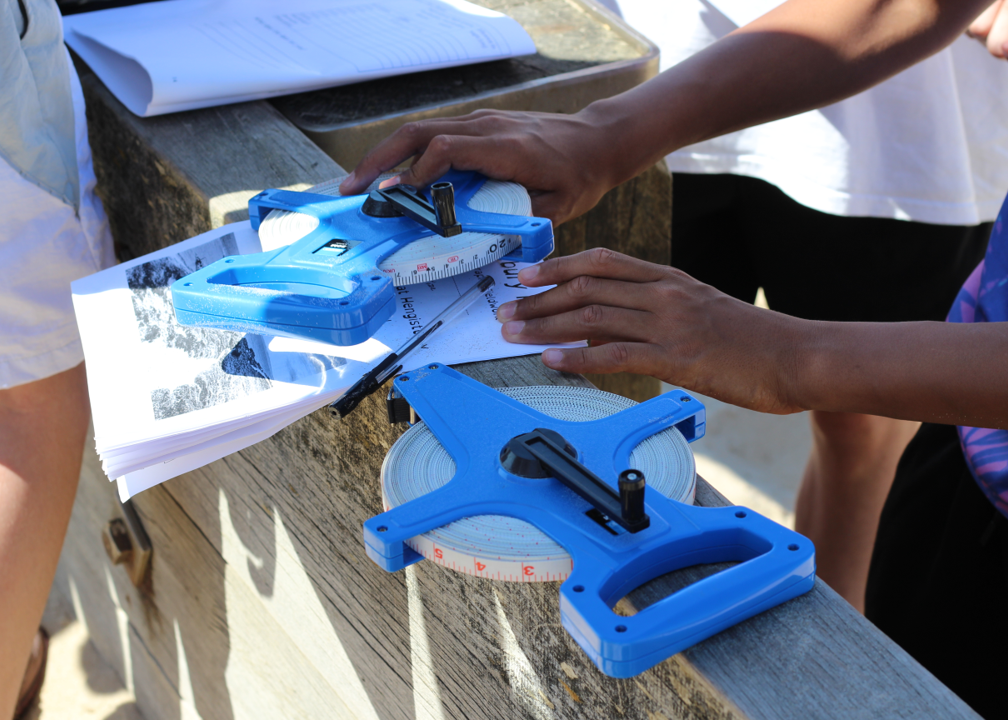
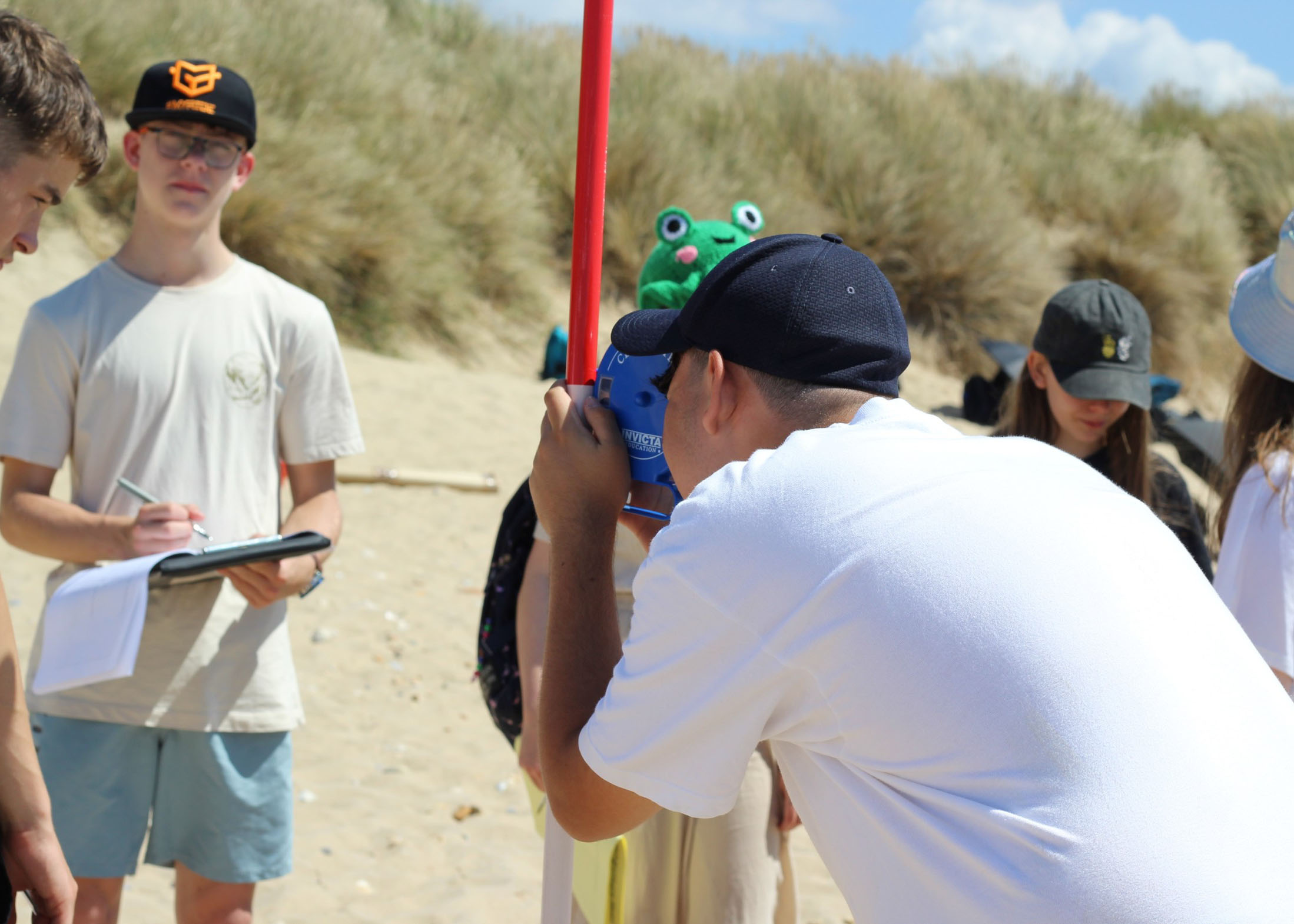
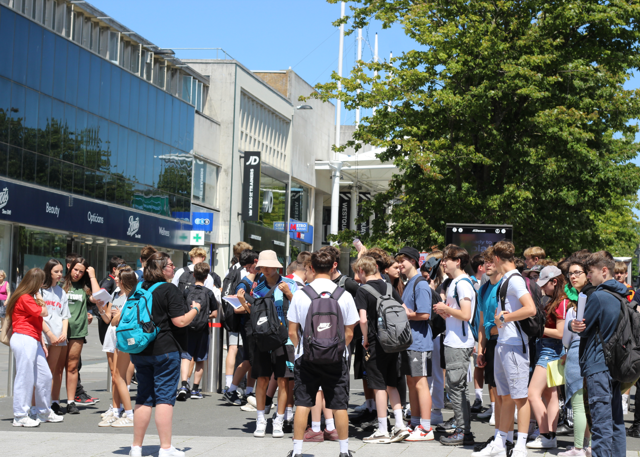
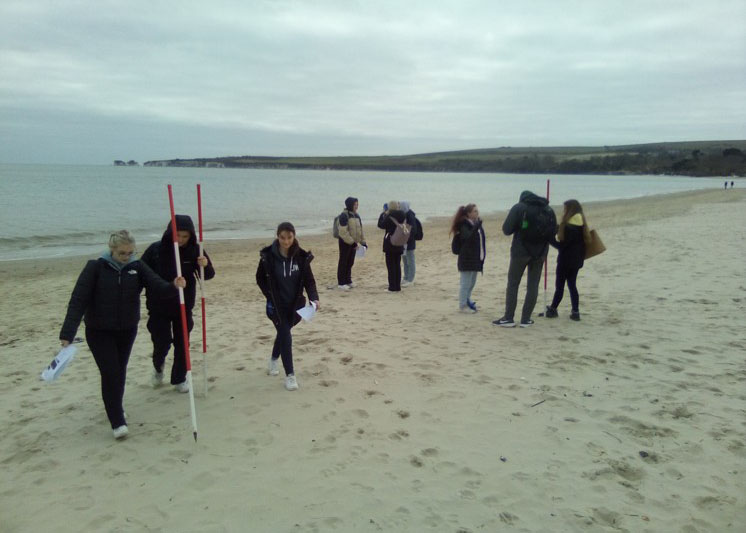
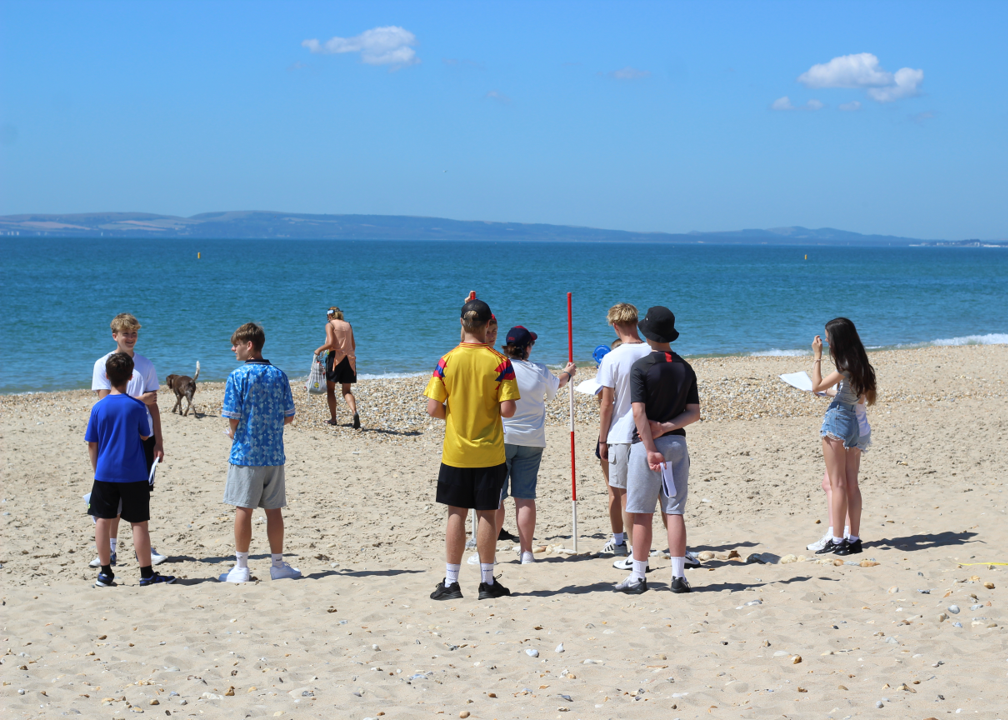
Two fieldtrips are conducted in GCSE Geography, both in the Summer Term at the end of Year 10 and are conducted across two school days. These fieldtrips are assessed in the third exam students sit at the end of Year 11.
Fieldtrip 1 is a human geography focus and we visit Southampton to look at differences in urban regeneration.
Fieldtrip 2 is a physical geography focus and we visit Hengistbury Head to look at coastal management and erosion.
Careers Links
Geography is a highly respected subject by colleges and universities. Geography is classed as both a humanities subject and a science subject, as it demonstrates a lot about the skills and knowledge you have developed, including using data, being able to critically evaluate and understanding people and places across the world. Skills like these are valued in professions such as law, finance, business and politics, as well as in the sciences and arts. It naturally lends itself to environmentally linked careers as well such as conservation, planning and construction, meteorology, energy production and local government.
Useful Information for Parents
Geography students can benefit from using several online resources to help with revision and deepening their understanding of the topics they have covered in class. These include:
This website uses cookies to improve your experience while you navigate through the website. Out of these cookies, the cookies that are categorized as necessary are stored on your browser as they are essential for the working of basic functionalities of the website. We also use third-party cookies that help us analyze and understand how you use this website. These cookies will be stored in your browser only with your consent. You also have the option to opt-out of these cookies. But opting out of some of these cookies may have an effect on your browsing experience.
Necessary cookies are absolutely essential for the website to function properly. This category only includes cookies that ensures basic functionalities and security features of the website. These cookies do not store any personal information.
Any cookies that may not be particularly necessary for the website to function and is used specifically to collect user personal data via analytics, ads, other embedded contents are termed as non-necessary cookies. It is mandatory to procure user consent prior to running these cookies on your website.