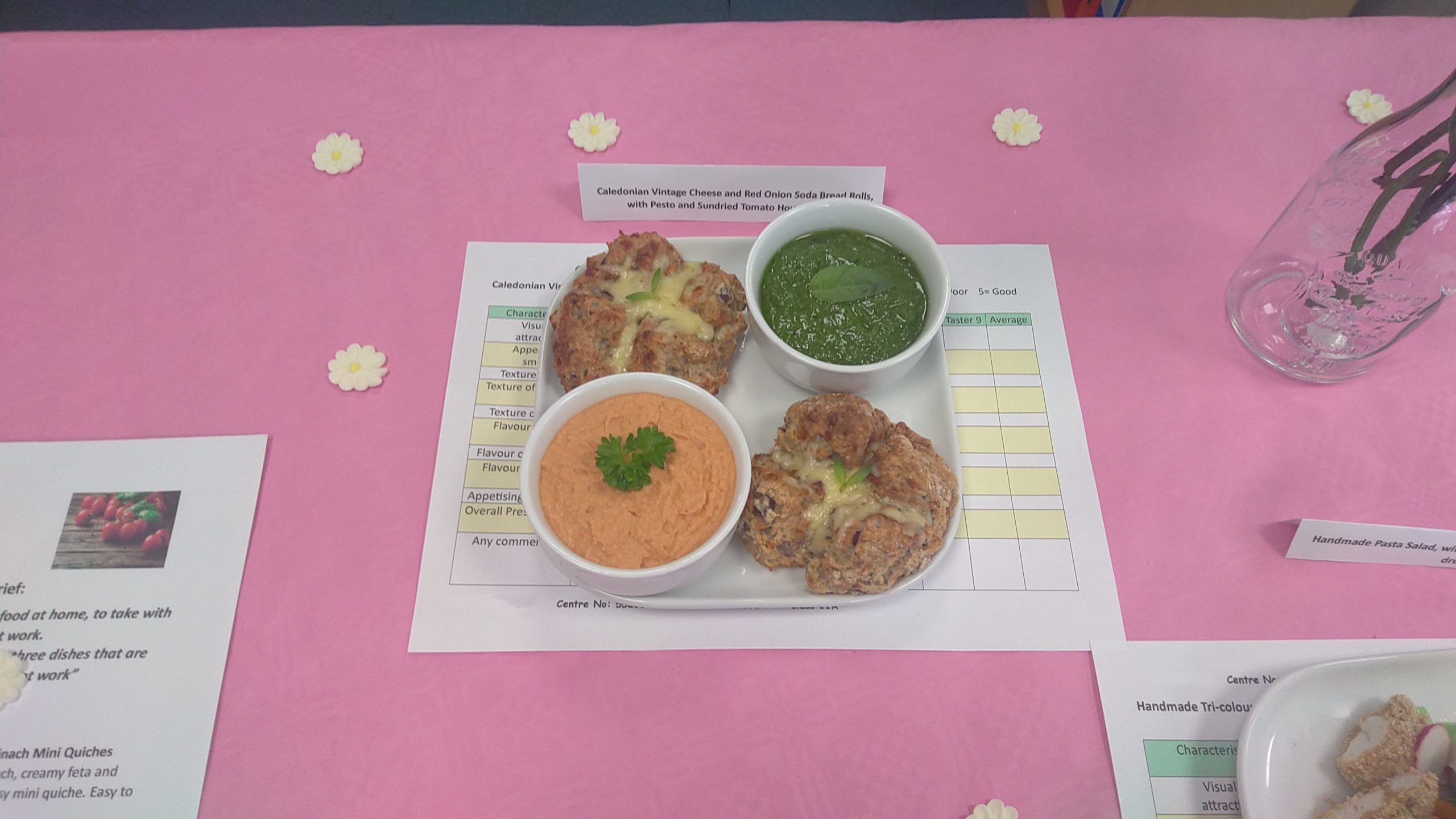
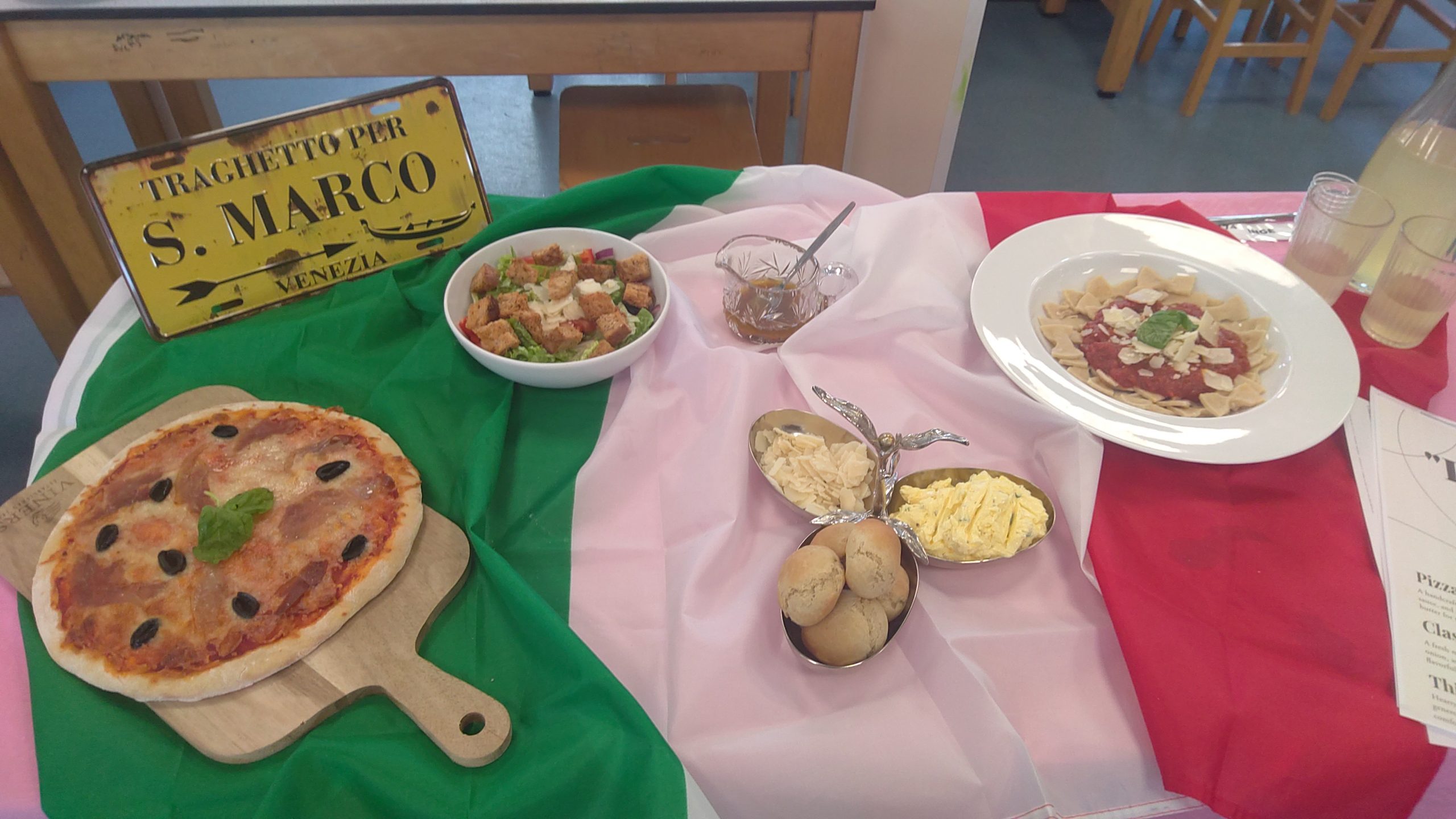
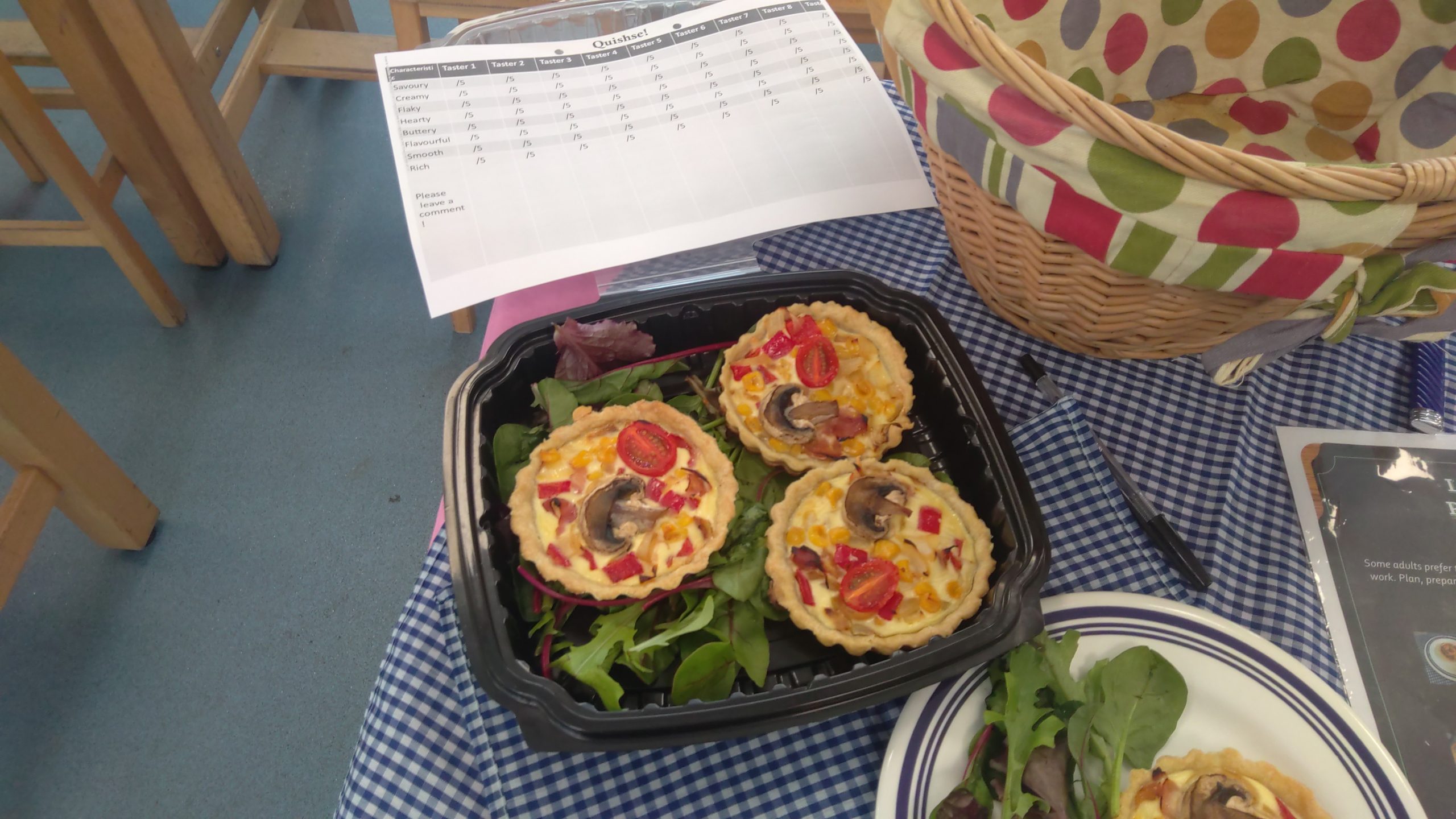
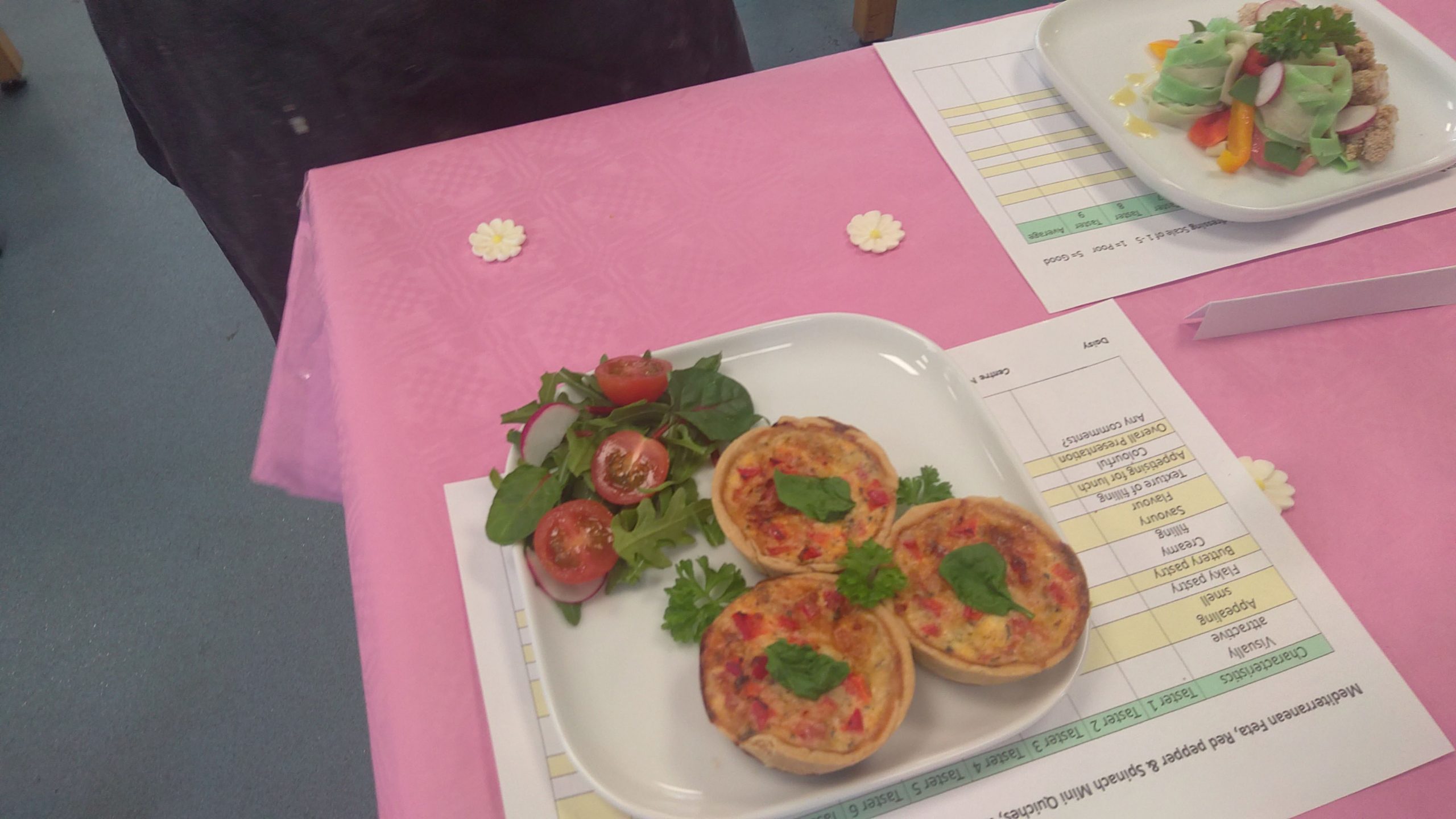
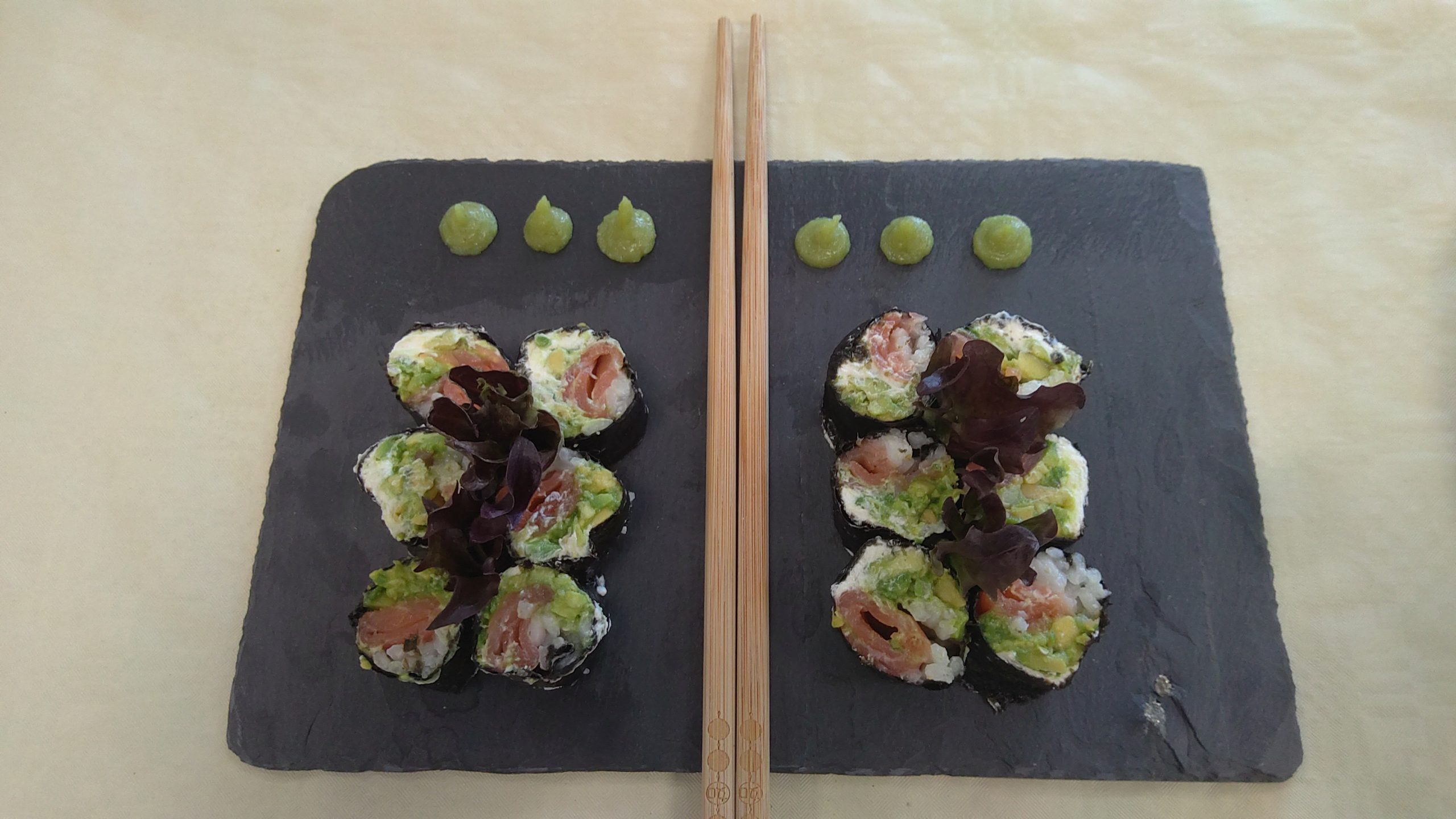
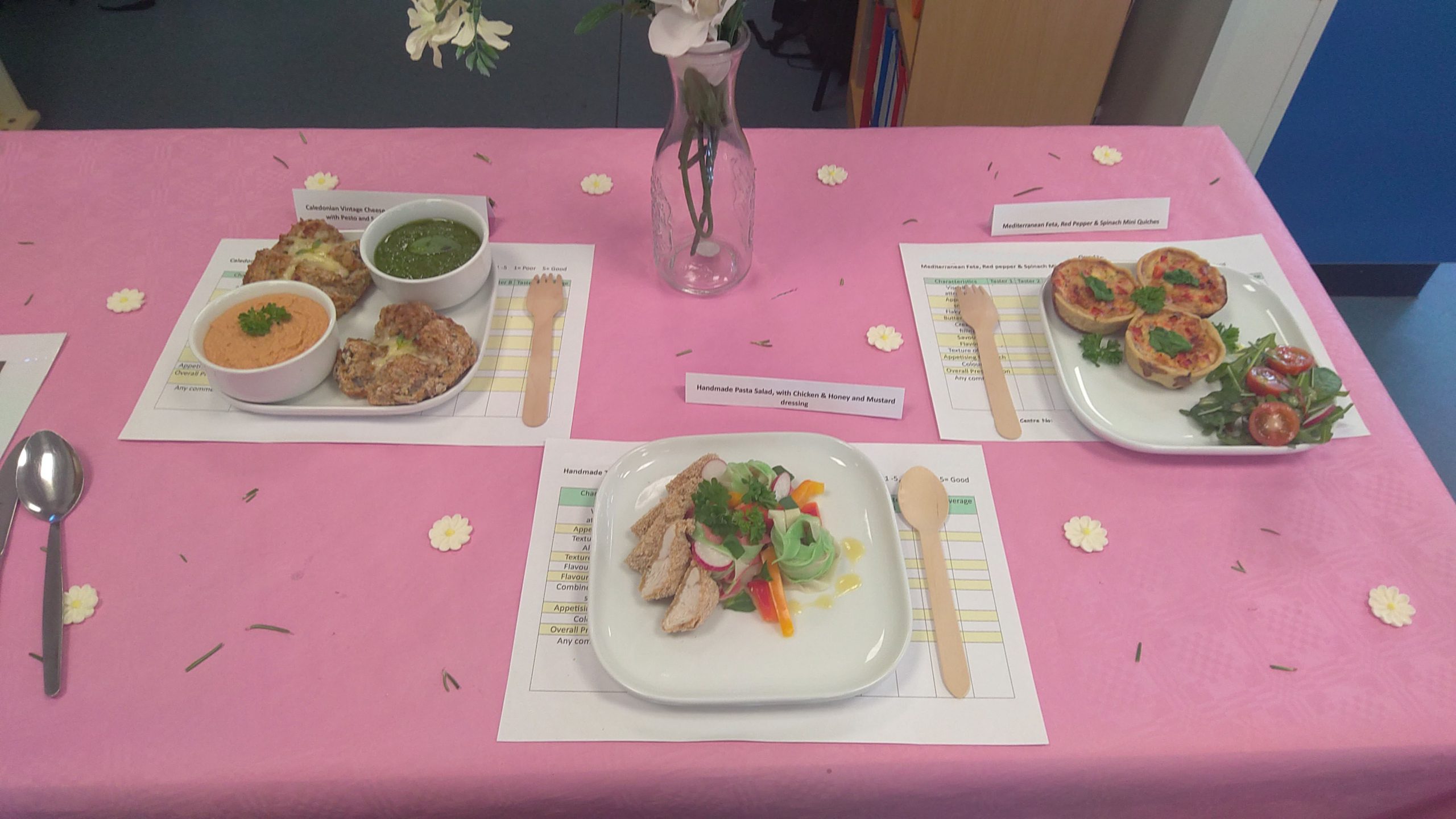
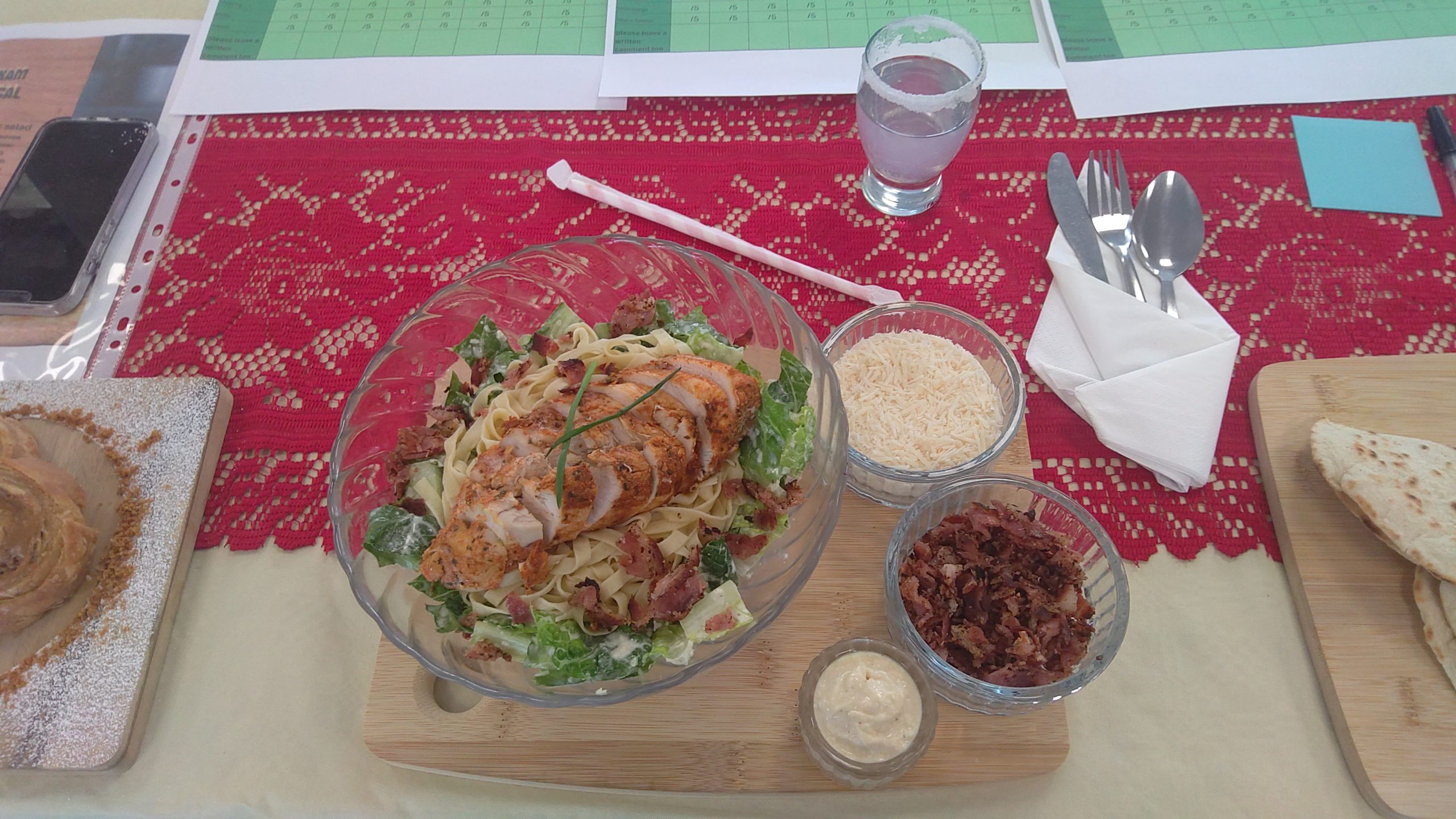
Our Food Technology GCSE provides students with essential life skills, a strong understanding of nutrition, and the opportunity to develop confidence in practical cooking. Students explore ingredients, techniques, origins of food and global cuisines while building knowledge that supports healthy lifestyles and future career pathways.
In Year 9 (from May half term onwards), students study healthy diets and the importance of protein, fats, and carbohydrates. They alternate weekly between demonstrations and practical cooking lessons. Practical sessions include health and safety induction and basic cookery skills.
In Year 10, GCSE Food and Nutrition students continue to study nutrition and diet related health conditions. students also begin an applied study of the food and cookery sector. They develop a broad understanding of the industry and take part in hands-on practical cookery activities at least once a cycle. Students are also encouraged to cook at home regularly to strengthen their skills and confidence.
In Year 11 students complete two OCR GCSE NEA (Non-Exam Assessment) tasks: a food science investigation and a food preparation and research task. They must demonstrate safe and effective cooking skills using a variety of ingredients, techniques, and equipment. Students explore traditional British and international cuisines to inspire creativity and refine their recipes. The exam board will release the briefs for NEAs in the Autumn term.
Meet the Food & Nutrition Department
Mr. R. Summerson-Watson
Food Technology Technician
Mr. A. Jones
Food Technology Teacher
Curriculum Overview
Please rotate your device to landscape to view the Curriculum for years 9, 10 and 11.
Autumn 1
Autumn 2
Spring 1
Spring 2
Summer 1
Summer 2
Year 9
Year 10
Year 11
Not taken until option choices start at the end of Year 9
Section A: Nutrition
Macronutrients & micronutrients.
Energy balance.
Nutritional needs for different diets.
Section A continued
Functional and nutritional properties of ingredients.
Sensory qualities and microbiological food safety links to nutrition.
Students can work on practical dishes during afterschool clubs in the build-up to their final GCSE practical exam.
Careers Links
Studying Food and Nutrition develops a wide range of transferable skills useful in many career pathways. Students learn practical culinary techniques alongside the science of nutrition and diet. The course explores food groups, dietary needs, food-related health conditions, and global cooking styles. These skills provide a strong foundation for life and can lead to diverse careers—from becoming a chef or restaurateur to working as a food technologist for major manufacturers.
Useful Information for Parents
Specification
KS4: OCR, GCSE Food Preparation and Nutrition, J309
GCSE Assessment (OCR J309)
GCSE Food Preparation and Nutrition is assessed through: 1. NEA 1: Food Science Investigation (15%) – Students investigate the scientific principles behind cooking processes. 2. NEA 2: Food Preparation Task (35%) – Students research, plan, prepare, and present a range of dishes. 3. Written Examination (50%) – A 1 hour 30 minute exam assessing nutrition, food science, safety, provenance, and cooking skills.
Facilities
– 1 large fully equipped kitchen with cookers, sinks, microwaves, mixers, and a full range of utensils. 1 additional smaller Kitchen and theory classroom.
– a full suite of HP laptops, dedicated printer, priority use is given to food students.
This website uses cookies to improve your experience while you navigate through the website. Out of these cookies, the cookies that are categorized as necessary are stored on your browser as they are essential for the working of basic functionalities of the website. We also use third-party cookies that help us analyze and understand how you use this website. These cookies will be stored in your browser only with your consent. You also have the option to opt-out of these cookies. But opting out of some of these cookies may have an effect on your browsing experience.
Necessary cookies are absolutely essential for the website to function properly. This category only includes cookies that ensures basic functionalities and security features of the website. These cookies do not store any personal information.
Any cookies that may not be particularly necessary for the website to function and is used specifically to collect user personal data via analytics, ads, other embedded contents are termed as non-necessary cookies. It is mandatory to procure user consent prior to running these cookies on your website.