“Fashion is the second most profitable industry in the world. I think it’s really important to make a statement.”
Welcome to Textiles at Ferndown Upper School where we believe in offering a creative curriculum which allows students to learn a diverse range of practical skills relevant to future careers in the fashion and textile industry. Exploring a range of media, expressing ideas, recording observations and generating a personal response to contemporary themes enables learners to evolve into conscientious, empathic artists, designers and craftspeople. We make dynamic fashion and textile outcomes; we innovate, we think outside the box, we express ideas, personalities and opinions. We design sustainably, collaborate kindly, explore new technologies and develop individual skills and techniques. We support fashion futures; whilst achieving excellent GCSE (2nd highest P8 subject in the school 2025) and A Level results (Top course in the county). We also offer a wealth of enrichment including extra- curricular clubs, gallery and museum visits, online webinars and careers events, subject specialist workshops and visiting artists, competition entries, fashion shows, annual exhibitions and responding to live design briefs. In the textiles department we look forward to shaping your future and supporting you on your own personal learning journey here at FUS.
Meet the Textiles Department
Mrs. C. Hardman
Textiles Teacher
Miss. L. Robson
Textiles Teacher
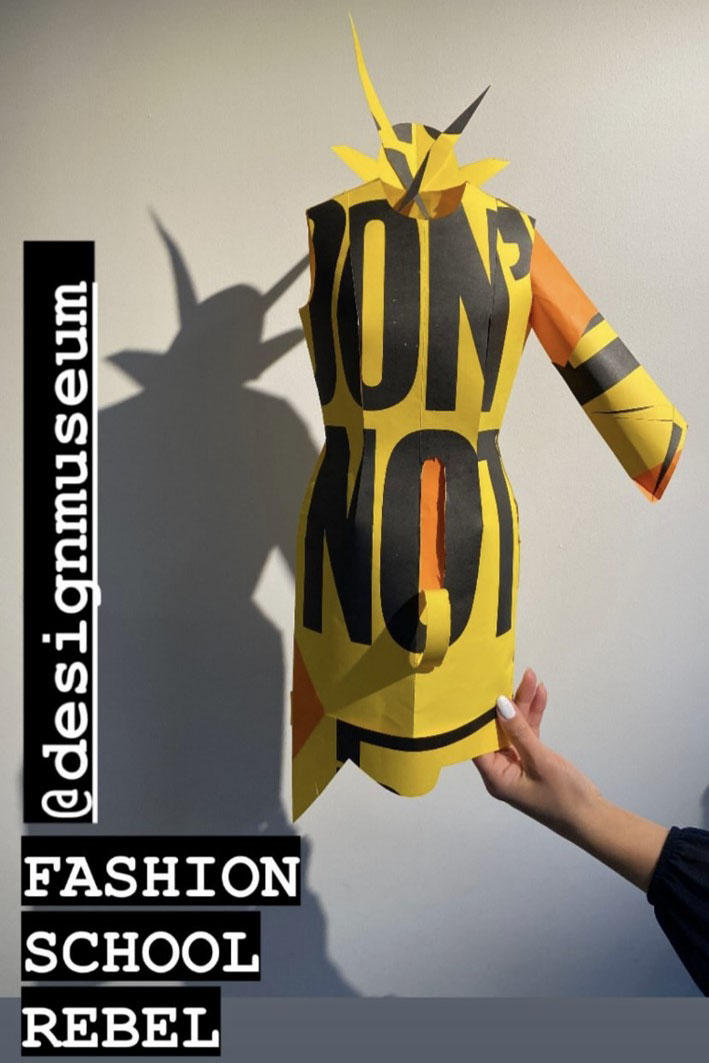
Design Museum Field Trip
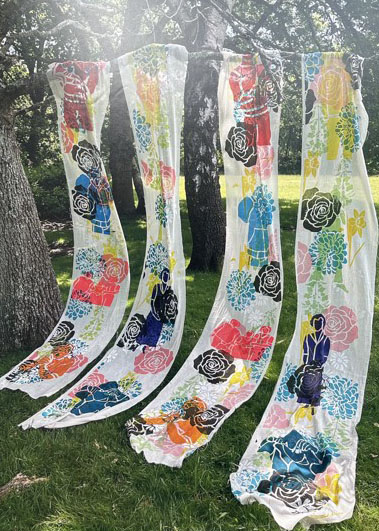
Shai Banners
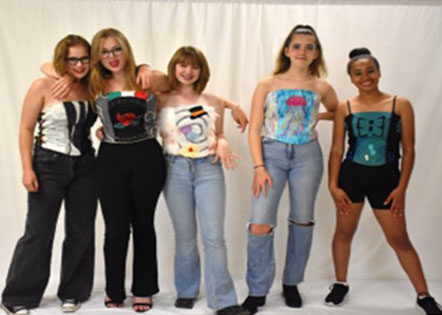
Student work 2025: Corsets
British Fashion Museum Field Trip
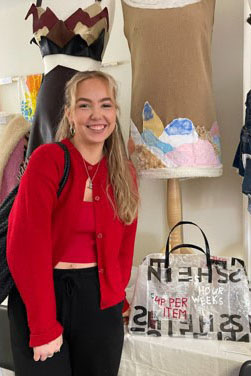
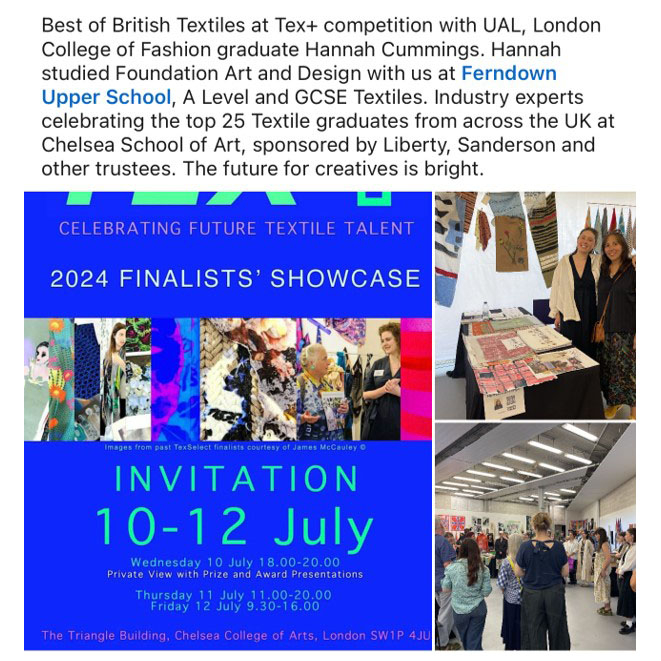
Alumni Showcase
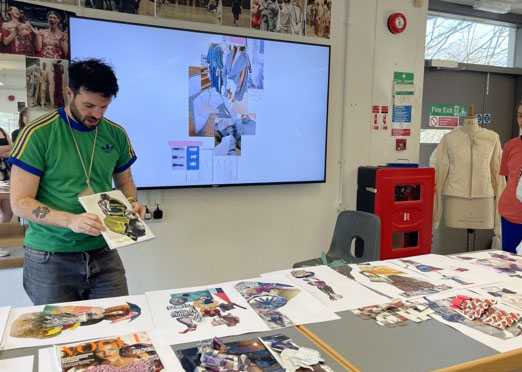
WSA Fashion Talks
Curriculum Overview
Please rotate your device to landscape to view the Curriculum for years 9, 10 and 11.
Autumn 1
Autumn 2
Spring 1
Spring 2
Summer 1
Summer 2
Year 9
Year 10
Year 11
Streetwear
Superhero Visual Research
Streetwear
Superhero Layout, mood boards
Streetwear
Superhero
Fashion sketching and illustration
Streetwear
Fashion croquis and designing a collection
Branding
Trainers,
logos and monograms
GCSE Unit 1 Sketchbook Skills
Unit 1: Fashioned from Nature
Unit 1: Fashioned from Nature
Unit 1: Upcycle
Unit 1: Customising Garments
Unit 2: Narrative Costume
Unit 2: Narrative Costume
Unit 2: Narrative Costume
Unit 2: Narrative Costume – Final Piece
ESA: Externally set task
ESA: Externally set task
10 hour exam
Coursework portfolio completion
Extra-Curricular Opportunities & Enrichment
Blandford Fashion Museum Costume loan and exhibition visit
Stitch Camp online workshops
SIX the Musical
Knit and crochet club
Coursework catch up
Careers Links
Fashion and Textile students are skilled practitioners who can work with a range of materials and techniques; carry out visual research and generate original ideas. They can evaluate and reflect critically on work, understand design principles relating to colour, texture and pattern and contextualise their ideas culturally and historically. Studying textiles can lead to a diverse range of creative careers in the fashion and textile industries including print, knit, weave, digital, photography, retail, interiors, furnishing, product, materials, fashion, props, theatre and costume design/ construction. From weaves and dyes to stitches, silhouettes and tailored cuts – if you study fashion and/or textiles you’ll need an artistic eye, attention to detail and impeccable skill. Design has the power to change the world, the potential to affect positive change and innovate in sustainable futures contributing to our climate change revolution.
“If the UK’s creative industries are to continue to be world-leading….studying the arts improves students’ grades across the board, too, and equips young people with the skills required in a future job market. After all, in a world of growing automation, creativity is what makes us human”
Rt Hon Ed Vaizy, MP
Labour Market Information (LMI):
Industry Value: The UK fashion and textiles industry is worth approximately £9 billion to £11 billion annually.
Job Growth: Employment in the sector is growing, with potential for thousands of new jobs in manufacturing, including roles in traditional sectors (knitting, weaving) and new areas like technical textiles.
Statistics shown here reflect the potential for the study of Textiles to lead to lucrative and fulfilling careers. The “UK fashion industry currently employs 800,000 people and is worth £66 billion to the UK economy.” NSEAD 2017 National Society for Educators in Art and Design.
The LMI for All portal provides high quality, reliable LMI information – see link in the below section.
Pathways ExamplePost 16
Level 3 A Level Textiles
Individuals can enter employment with level 3 qualifications or continue to develop by studying level 4.
Level 4 BTEC National Diploma in Foundation Studies in Art and Design leads onto diverse range of Undergraduate Degree options at University or Apprenticeships in specialist fields.
This website uses cookies to improve your experience while you navigate through the website. Out of these cookies, the cookies that are categorized as necessary are stored on your browser as they are essential for the working of basic functionalities of the website. We also use third-party cookies that help us analyze and understand how you use this website. These cookies will be stored in your browser only with your consent. You also have the option to opt-out of these cookies. But opting out of some of these cookies may have an effect on your browsing experience.
Necessary cookies are absolutely essential for the website to function properly. This category only includes cookies that ensures basic functionalities and security features of the website. These cookies do not store any personal information.
Any cookies that may not be particularly necessary for the website to function and is used specifically to collect user personal data via analytics, ads, other embedded contents are termed as non-necessary cookies. It is mandatory to procure user consent prior to running these cookies on your website.