
Skip to content

Design & Technology

A. Dolman

Mr. A.
Dolman

Head of Faculty
Design & Technology

“D&T develops confident and capable young people with the potential to produce effective solutions to many of the problems we face today. Critically, it builds the skills people need to solve problems we don’t even know yet exist.”

This quote from the D&T (Design & Technology) association website exactly sums up what we want for our students at Ferndown Upper School. In addition, we believe that Design and Technology is a subject that transforms; students learn about designing solutions to improve people’s lives, they are able to make better decisions, they understand more about the impact of products on their community and on the world.

This video from the Design and Technology Association explains:


All projects in Design and Technology have the iterative design cycle at heart to encourage the students to:


•  Be creative.

•  Solve real problems.

•  Learn skills that you will use in a future job.

•  Learn about materials, processes and tools.

•  Learn about the effect of products on the environment & people.

•  Make things with different materials.

•  Learn practical skills to help yourself.

•  Apply knowledge from other subjects.

•  Make a finished product to take home.

•  Broaden your mind about the world and people.

Meet the Design & Technology Department

Mr. B.
Myers

Design & Technology Teacher

A. Dolman

Mr. A.
Dolman

Design & Technology Teacher

Mr. R.
Summerson-Watson

Design & Technology Technician
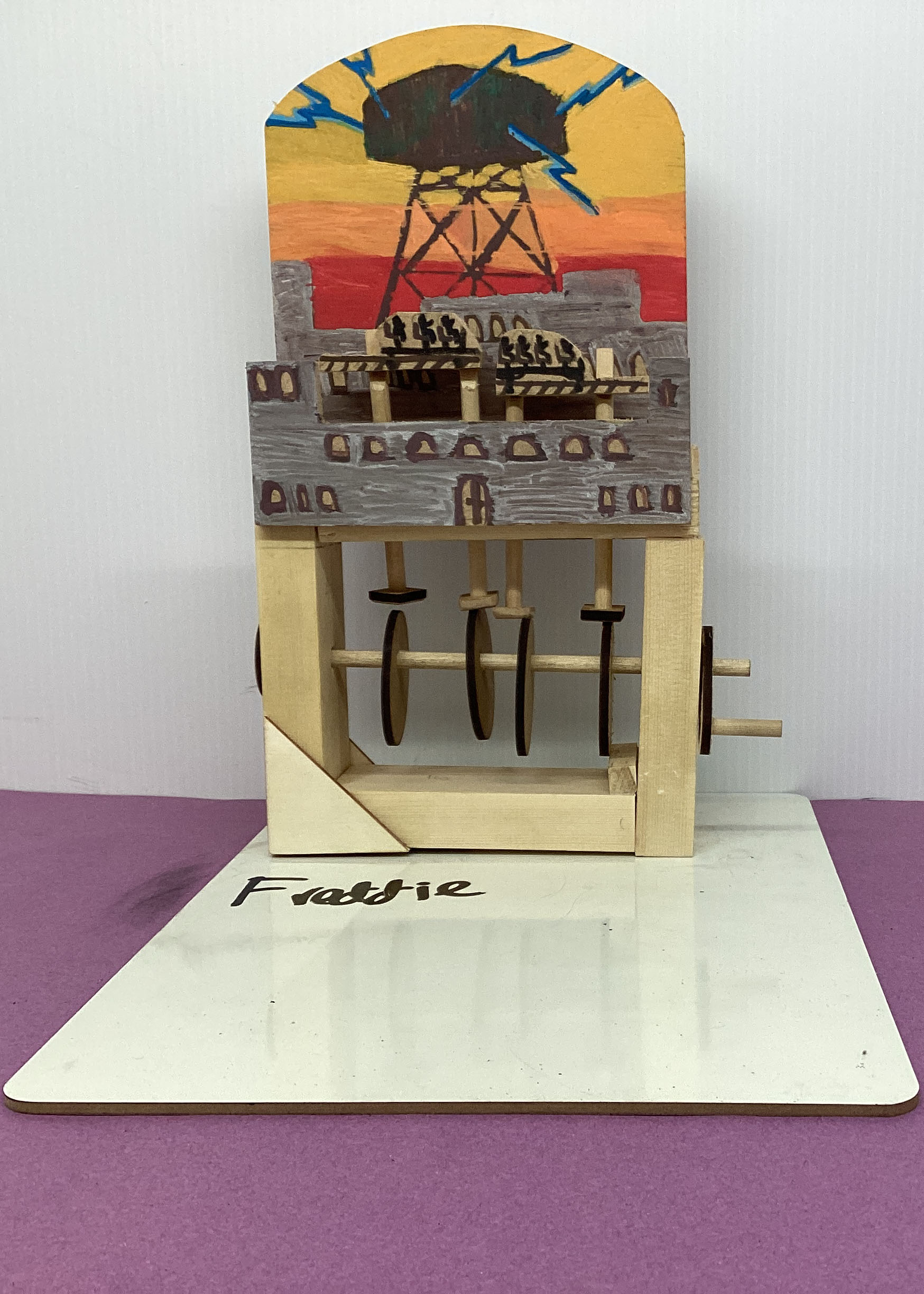
Year 10 automata
Year 9 model
Year 9 model
Year 10 automata
Year 9 passive amps
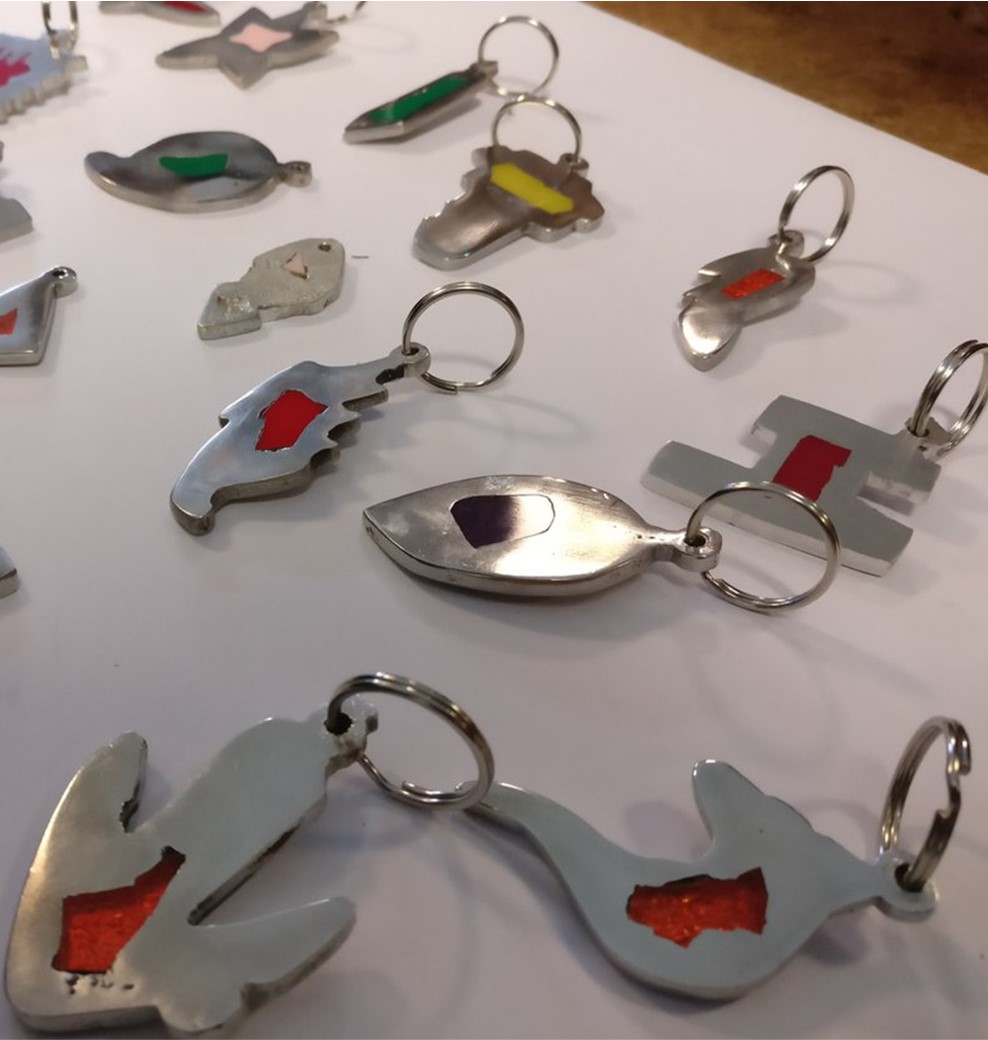
Year 9 pewter
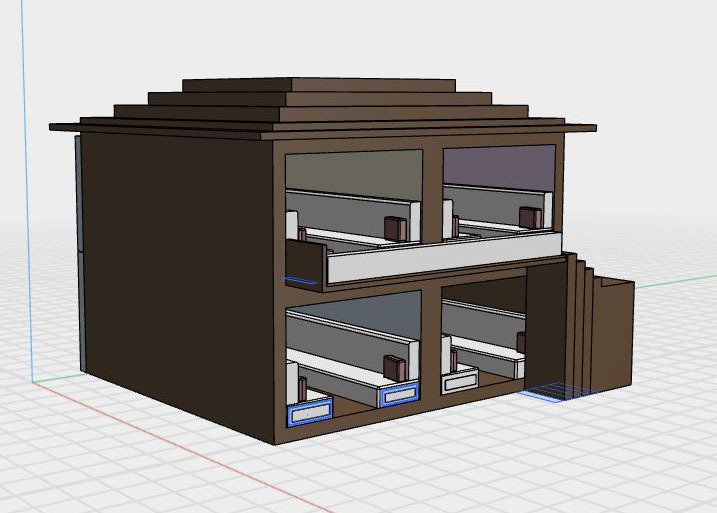
Year 9 CAD

Curriculum Overview

Please rotate your device to landscape to view the Curriculum for years 9, 10 and 11.

Autumn 1
Autumn 2
Spring 1
Spring 2
Summer 1
Summer 2

Year 9

Year 10

Year 11

Metals project: design and make an item of jewelry, which is cast in pewter.

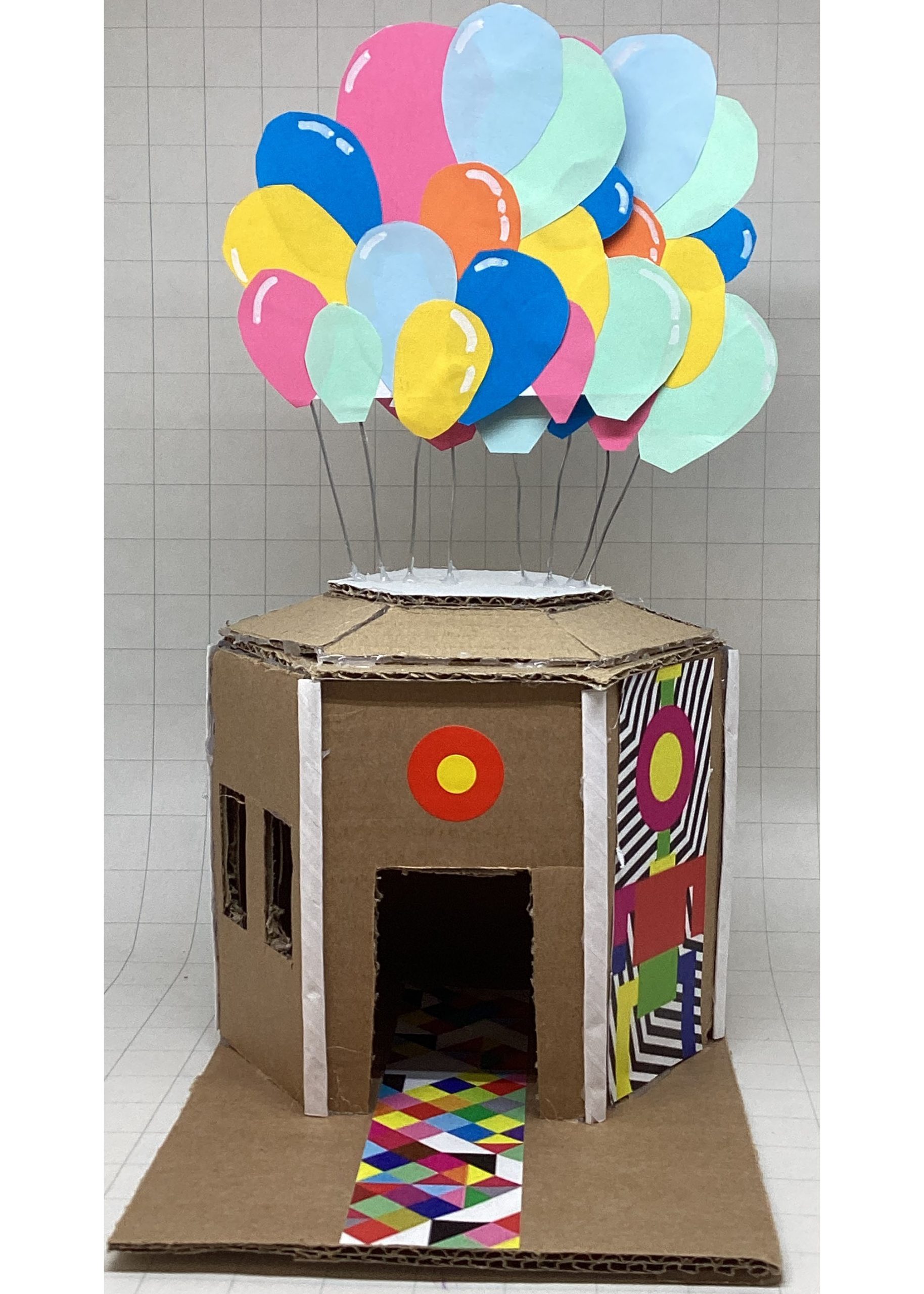
Design project: use 3D Computer Aided Design (CAD) and hand modelling to design ‘social spaces’ for the year 9 quad.

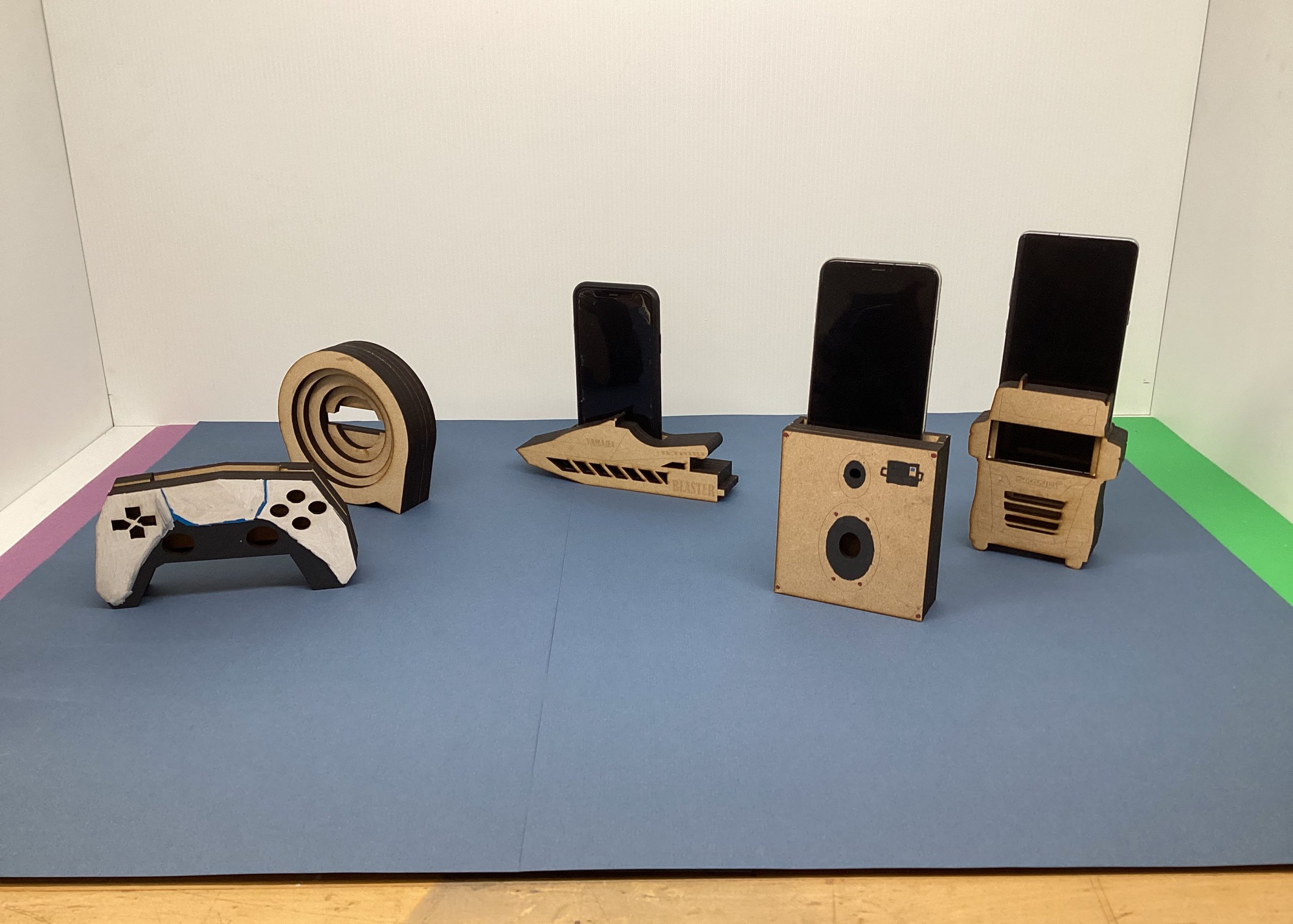
Laser project: learn to use 2D CAD to make a passive amp

History of Design: learn how design has changed and why whilst developing a design resource

Design processes: how and why we design in particular ways for different situations.

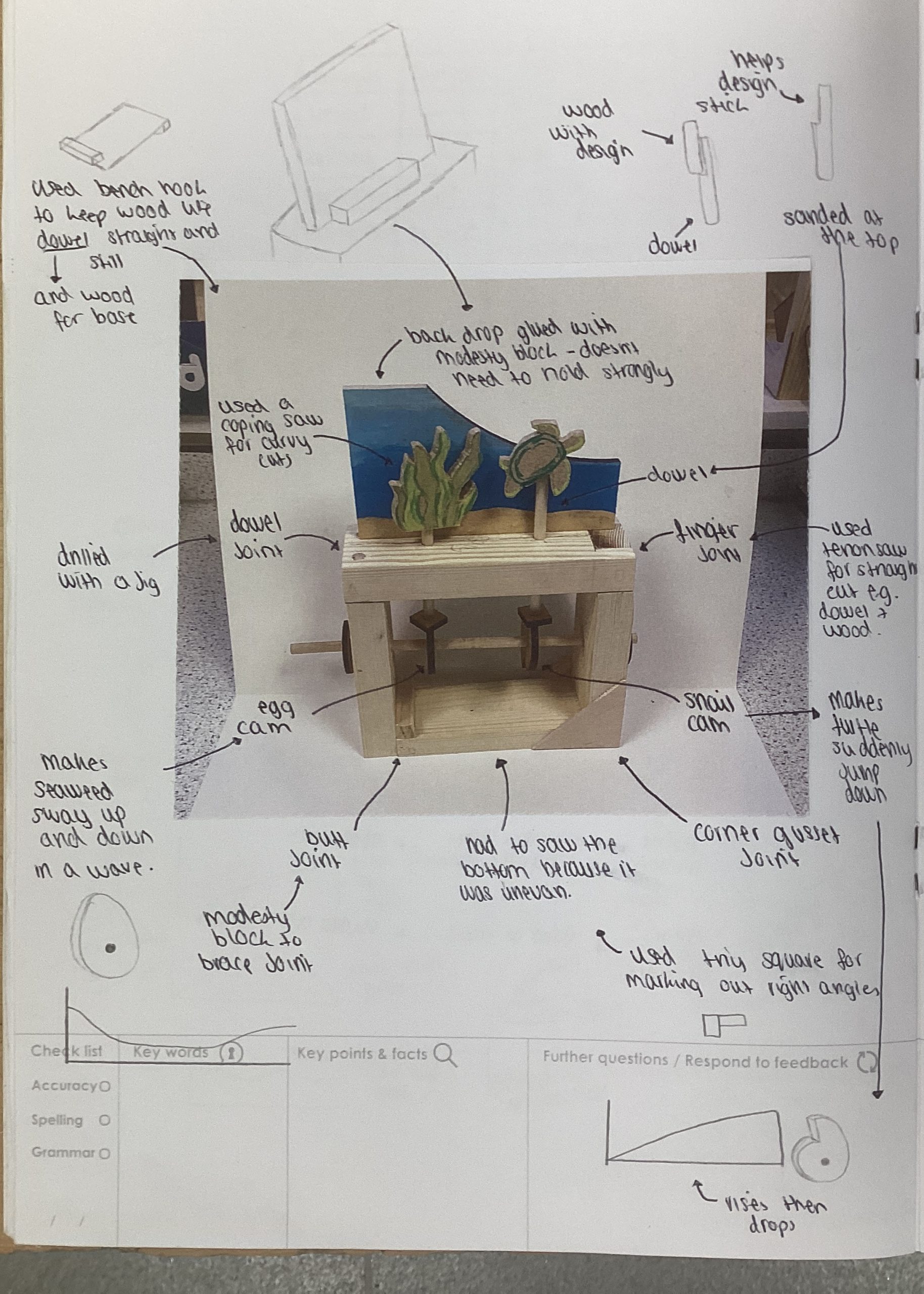
Timbers: learn about wood and wood making process whilst designing and making an automata.

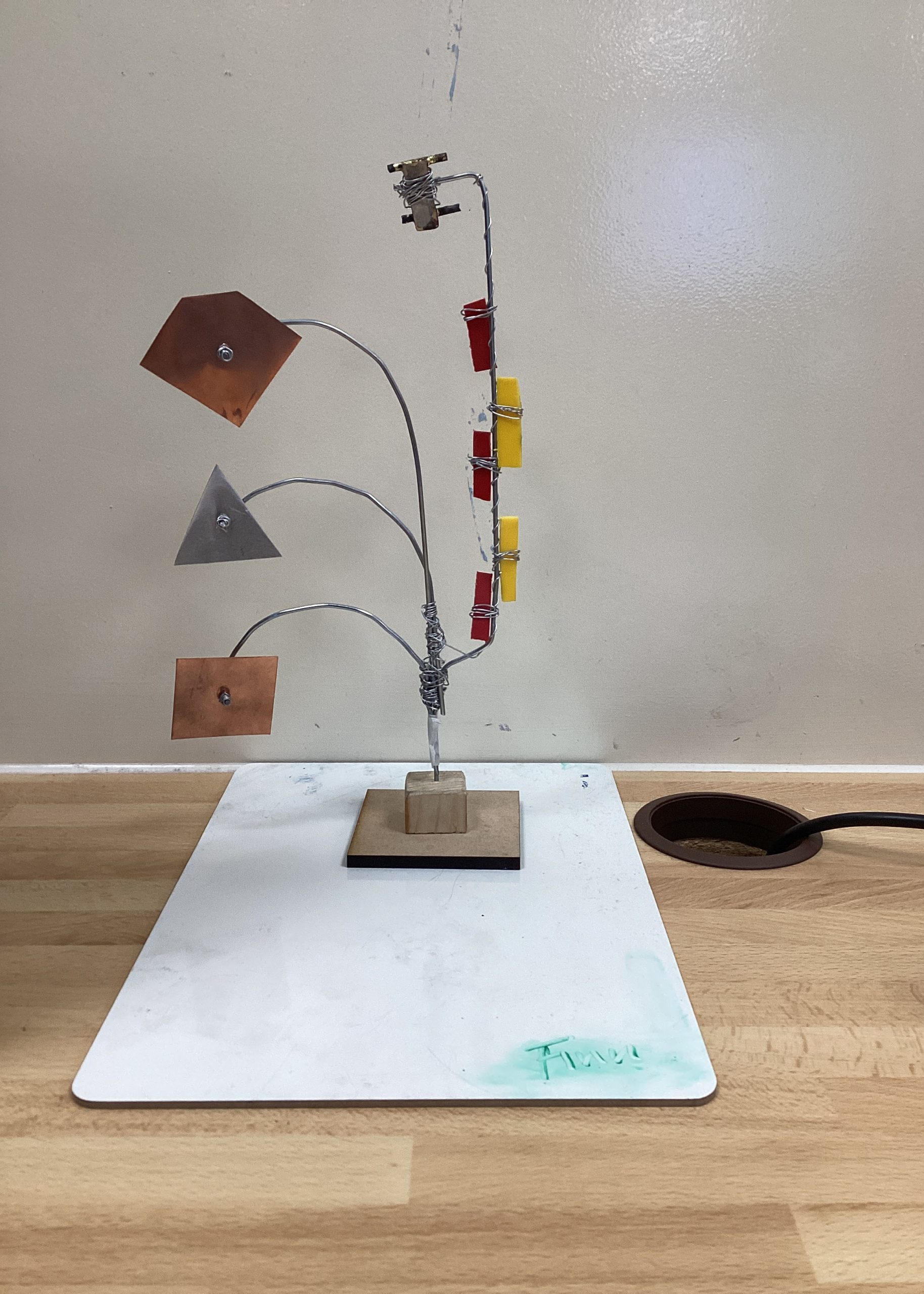
Metals: learn about metals and metal process whilst making a Memphis inspired standing mobile.

Lunch: mini Non-Examined-Assessment (NEA) project using paper and card nets. Design disposable lunch packing for a client whilst learning about paper and card as a material.

NEA: the exam board publish the NEA themes on the 1st of June. For this half term we work on section A, which is the research phase.

NEA: section B, specification.

NEA: sections C&D: design and development.

NEA:

sections E&F: making and evaluation.

Revision

Revision

Extra-Curricular Opportunities & Enrichment

Years 10 and 12 always compete in the annual Rotary Technology Tournament. In year 12 we visit Arts University Bournemouth, the RNLI factory and the Victoria and Albert Museum in London. We have had five years of success in reaching the ‘Design Ventura’ finals and have competed regularly in the ‘F1 in Schools’ competition.

Careers Links

Design and Technology is a practical and valuable subject. There are many employment routes that use the skills learned, for example creativity, problem solving, planning, and evaluation skills. In addition students will learn how to take risks and so become more resourceful, innovative, enterprising and capable.

Future employment routes traditionally split into five key areas:

  • Electronic and systems design: Britain is a world leader in electronics with over 90% of all mobile phone electronics designed here.
  • Food technology: Catering is a huge employer within the tourism industry. There are interesting careers in food product design for supermarkets and confectionery.
  • Product design: designing consumer products with wood metals and plastics. Interesting career areas include automotive, aerospace, robotics and interior design.
  • Engineering and construction: get involved in architecture and civil engineering for instance.
  • Textiles technology: Obviously there is the fashion industry but also there are ‘technical textiles’; the parachute for the recent NASA Mars lander were designed and made in Devon!

Useful Information for Parents