
Computer Science

“Everybody should learn to program a computer, because it teaches you how to think.”
Steve Jobs
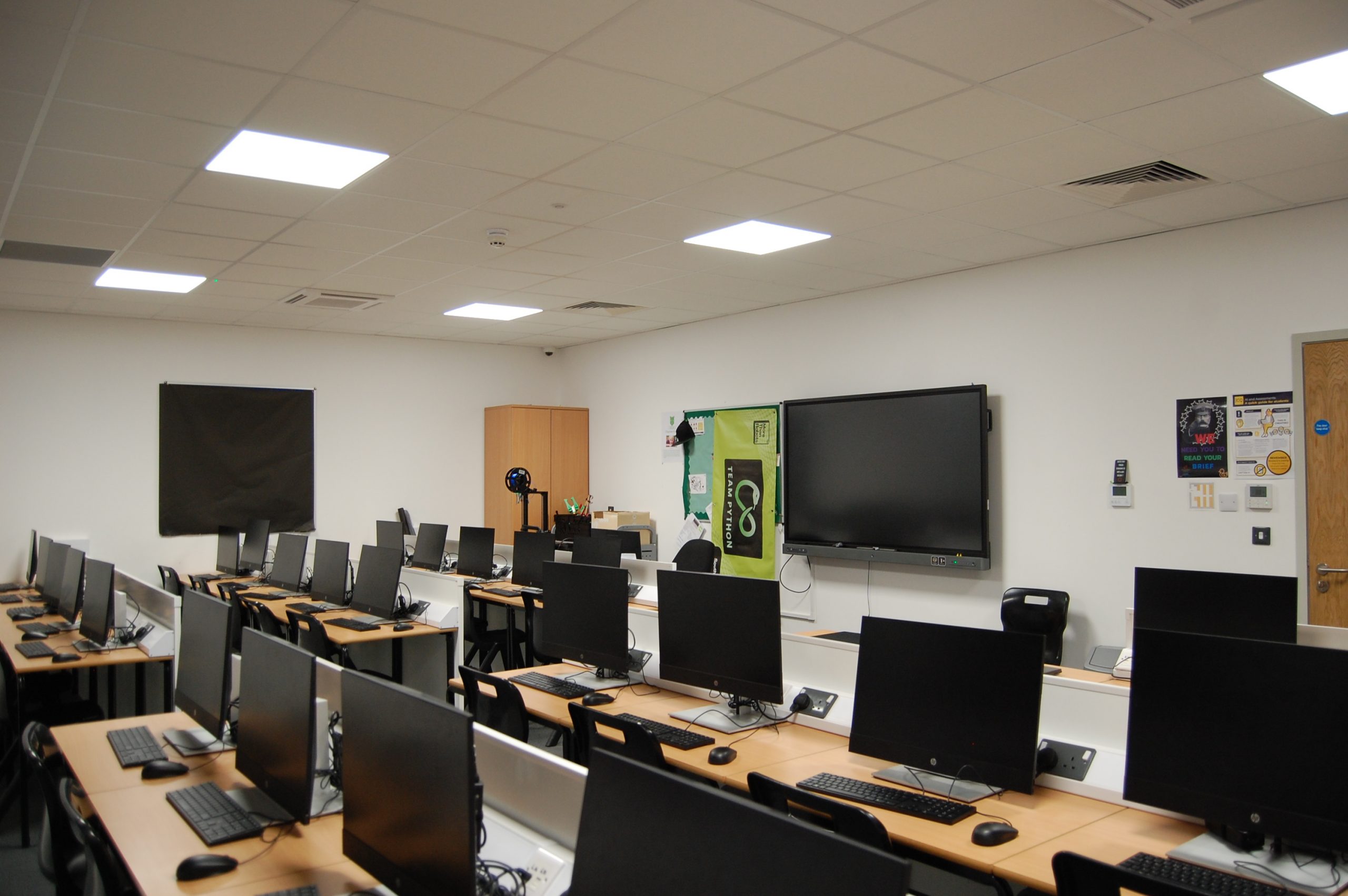
The Computer Science Department at Ferndown aims to equip students with the knowledge, skills and confidence to thrive in an increasingly digital world. Through a balanced and engaging curriculum, students learn how computer systems work, how software is designed, and how computational thinking can be applied to solve real-world problems.
Computer Science develops logical thinking, problem-solving, resilience and creativity. Students learn to write programs, analyse data, understand networks and cyber security, and explore the ethical and social impacts of technology. These skills are essential not only for careers in technology, but across a wide range of modern professions.
Computer Science at Ferndown is challenging, practical and rewarding. Lessons combine theory with hands-on programming and problem-solving activities. Taught by knowledgeable and enthusiastic staff, students are well prepared for GCSE examinations and further study, while developing skills that are increasingly vital in everyday life.
Meet the Computer Science Department

Mr. K.
Jacobs
Computer Science Teacher

Mr. S.
Harray-Simspon
Computer Science Teacher
Curriculum Overview
Please rotate your device to landscape to view the Curriculum for years 9, 10 and 11.
Autumn 1
Autumn 2
Spring 1
Spring 2
Summer 1
Summer 2
Year 9
Year 10
Year 11
Data & Coding
Coding & AI
Hardware & Networking
Cybersecurity & History and Future
Website Development
The Start of your Computer Science GCSE
Computer Programming
Data Representation
Computer Systems
Computer Networks
Networks & Security
Ethical, Legal & Environmental Issues
SQL & Relational Databases
Advance Assessment Practice
Advanced Programming
Revision
Revision
Extra-Curricular Opportunities & Enrichment
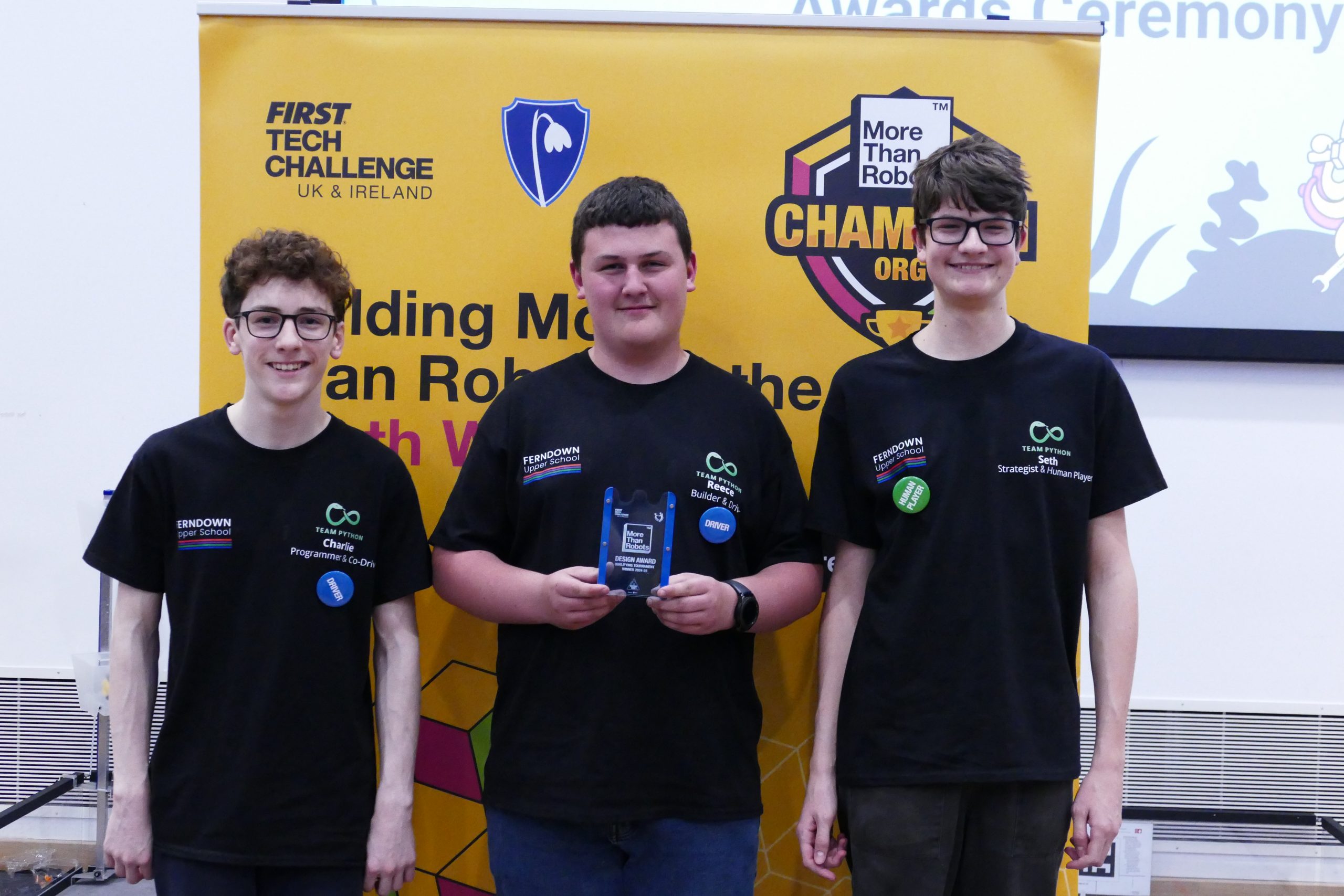
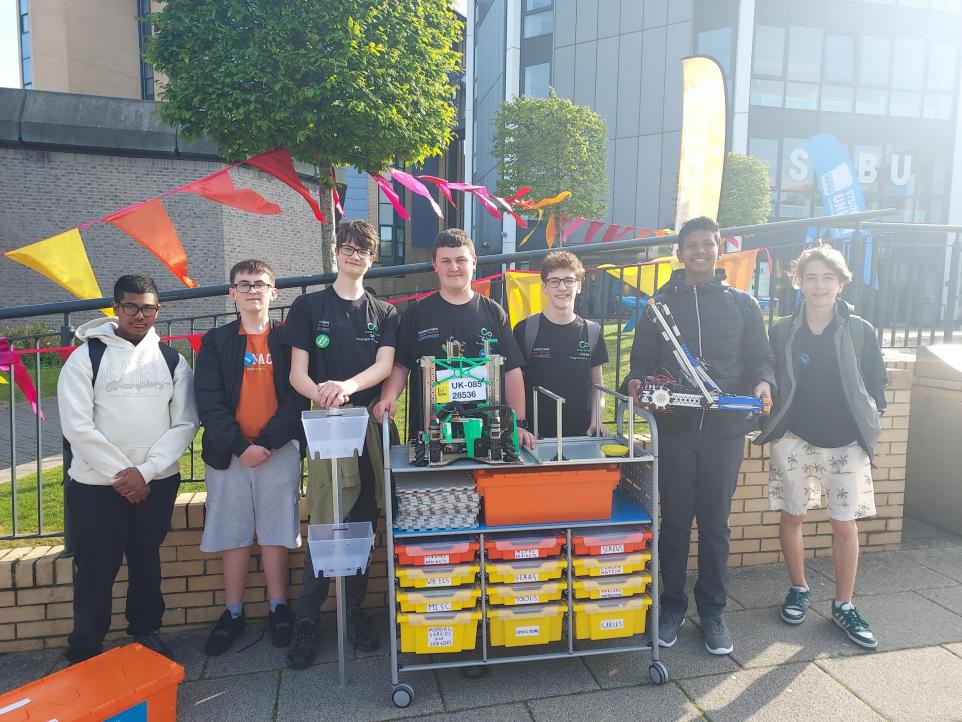
A key enrichment opportunity within the Computer Science department is our involvement in the FIRST Tech Challenge robotics competition. Ferndown students have achieved outstanding success in this national competition, becoming three-time national finalists.
Through the FIRST Tech Challenge, students have competed at prestigious venues including Cambridge University, Bournemouth University, and the Copper Box Arena in London. These events provide students with invaluable experience in teamwork, problem-solving, engineering design and programming under real competition conditions.
Participation in the challenge allows students to engage directly with industry professionals and leading technology organisations. Our students have met and worked alongside professionals connected with Intel and NVIDIA, as well as experts from a wide range of sectors including medical technology, military applications, gaming, robotics, aerospace and archaeology. These interactions give students a clear insight into how Computer Science and technology are used in real-world careers.
The FIRST Tech Challenge is an inspiring and highly motivating experience that develops technical skills, resilience, leadership and confidence, while exposing students to future pathways in STEM education and employment.
Careers Links
Studying computer science is one of the most valuable choices a young person can make for their future. As technology continues to shape every aspect of society, understanding how it works isn’t just useful — it’s essential. Computer science develops problem‑solving skills that apply far beyond the classroom. Students learn how to think logically, break down complex challenges, and design creative solutions. These are abilities that universities and employers consistently identify as some of the most important for success in any field.
From an education standpoint, computer science opens doors to a huge range of opportunities. At university, it leads naturally into subjects like software engineering, robotics, artificial intelligence, and cybersecurity. But it also strengthens pathways into disciplines where technology plays an increasingly central role — such as medicine, psychology, economics, design, and geography. Being able to code, analyse data, or understand algorithms gives students a competitive advantage across many degree courses and research fields.
In terms of careers, computer science leads to some of the fastest‑growing and most in‑demand jobs worldwide. Fields such as data science, AI, digital forensics, game development, and cloud computing are expanding rapidly, offering strong salaries and opportunities to work internationally. Even careers that aren’t traditionally “tech jobs” now rely heavily on digital tools, meaning computer science skills help students stand out in almost any profession.
Many past students have joined us at KS5 for A level or T level and further onto degree apprenticeships or university.
Useful Information for Parents
Parents can support students by encouraging regular practice and independent learning. Useful resources include:
- GCSE revision guides and workbooks specific to the exam board (AQA specification)
- Online platforms such as BBC Bitesize
- Programming practice websites such as Coddy and W3Schools
- Encouraging safe and responsible use of technology at home
The computer science teachers at FUS take pride in offering regular one to one session to students who want to succeed and surpass expectations. As a department we have worked tirelessly to compose class Team pages that allow students to access all class and revision resources. Students are also encouraged to practise programming regularly and revisit key concepts using lesson materials and revision resources provided by the department.